



Led by design

Shaping the autonomous, zero- emission cargo aircraft of tomorrow.

Aviation Composites New Zealand is accelerating the transition to zero emissions with cost-effective mitigation of risk. The AC-2 is a full-carbon regional cargo aircraft, designed and laminated in Aotearoa for the world's regional freight network.

§ 01VISION · MISSION · VALUES

A trailblazer in the
aerospace sector.

Situated in the heart of New Zealand, Aviation Composites NZ is achieving new heights in aviation technology and design, propelling aviation aspirations into the future.

  1. 01

    Our vision

    To collaborate with leading aerospace companies and partner institutions to drive aviation innovation.

  2. 02

    Our mission

    Innovate with composite materials in the aerospace sector to improve safety, aerodynamic efficiency and performance, whilst reducing construction complexity in time, energy and cost.

  3. 03

    Our values

    At ACNZ we collaborate in an empathetic way while striving for excellence in all we do.

  4. 04

    The project

    A short-haul, autonomous, zero-emission cargo aircraft: the AC-2 family, engineered to evolve from piloted turboprop to hydrogen / electric autonomy.

§ 02FLAGSHIP · AC-2
AC-2 · Turboprop edition · Cargo Type Certificate · Piloted

The future of
regional cargo
aircraft.

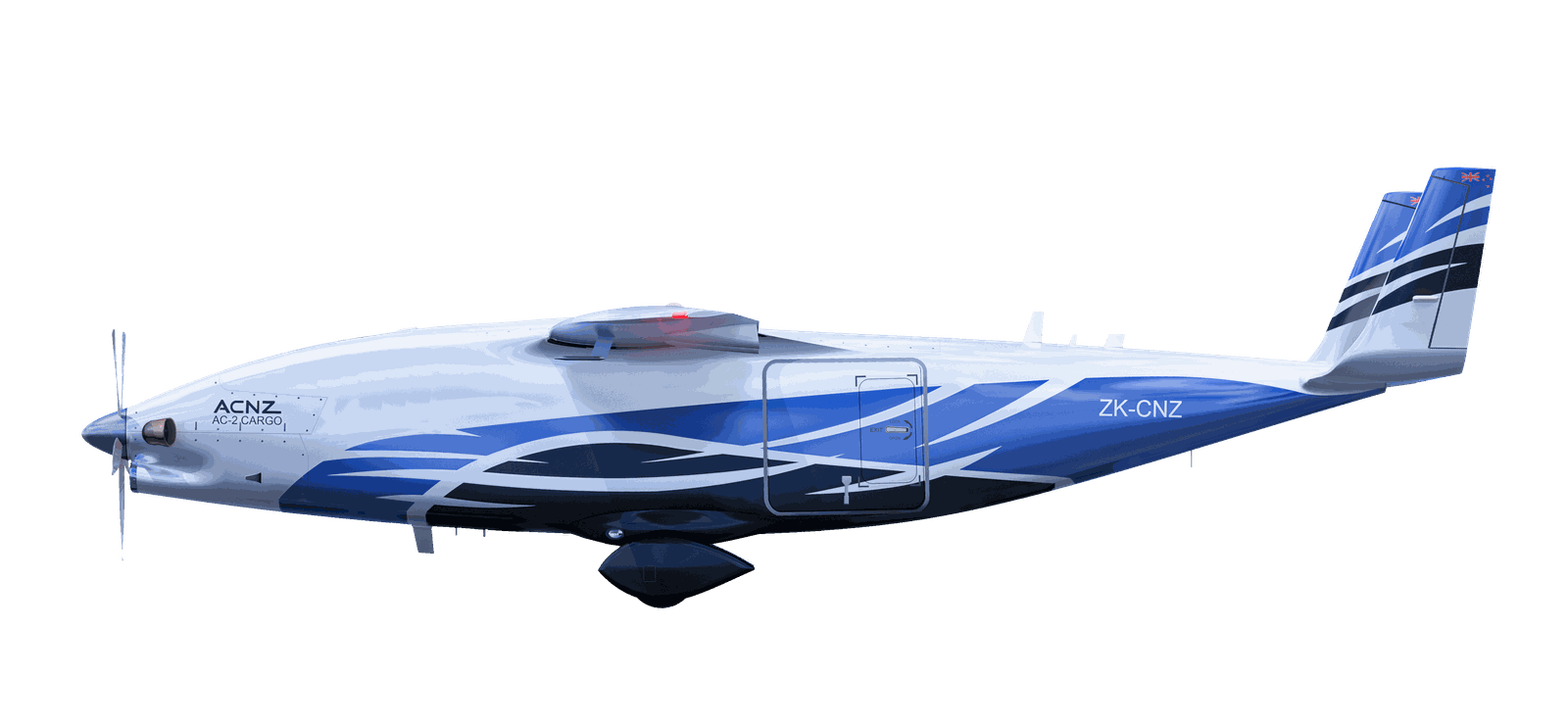
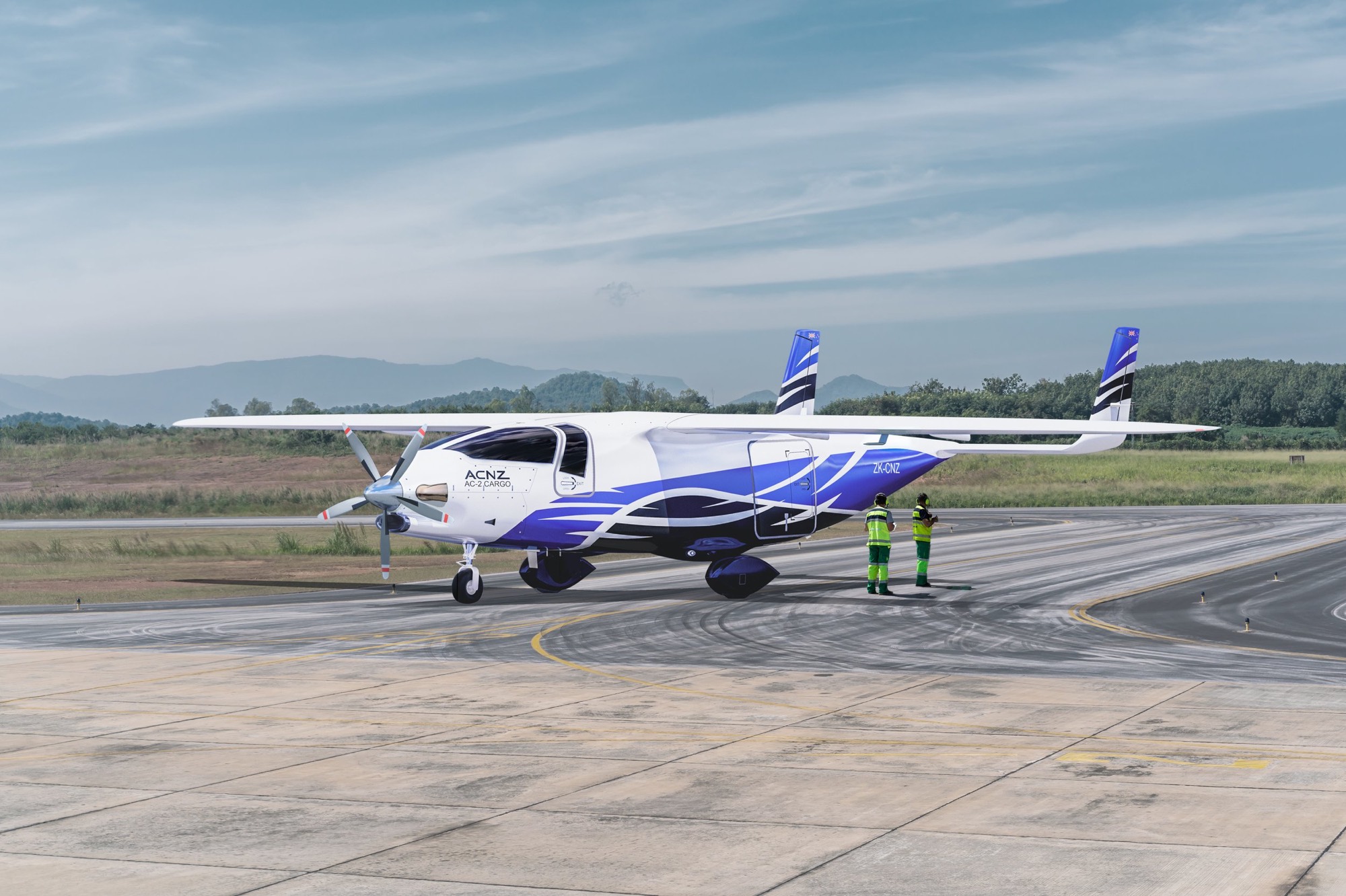
A full-carbon regional cargo single-turboprop, designed for Part 23 commuter-category operation. An in-depth market study confirmed the need to transition from aluminium-based regional cargo models designed thirty-plus years ago to a next-generation composite aircraft: more aerodynamically efficient, lower fuel burn, lower emissions, more economical to maintain, and a larger cargo volume sized for a growing e-commerce market. From its first version, the AC-2 is designed to accommodate semi-autonomous piloting and a platform expandable to new electric propulsion as it matures.

Max take-off weight
16,792 lb / 7,615 kg
Payload
6,000 lb / 2,721 kg
Cruise (max)
210 kt TAS / 242 mph
Wingspan
72.18 ft / 22.0 m
Max height
15.74 ft / 4.8 m
Typical mission
330 nm / 612 km
Certification
FAR Part 23, Commuter
Powerplant
Single turboprop

Preliminary specifications subject to change.

AC-2 full-carbon regional cargo aircraft, registration ZK-CNZ, in flight above cloud
AC-2 · ZK-CNZ TURBOPROP / CARGO
§ 03NEXT · AC-2Z
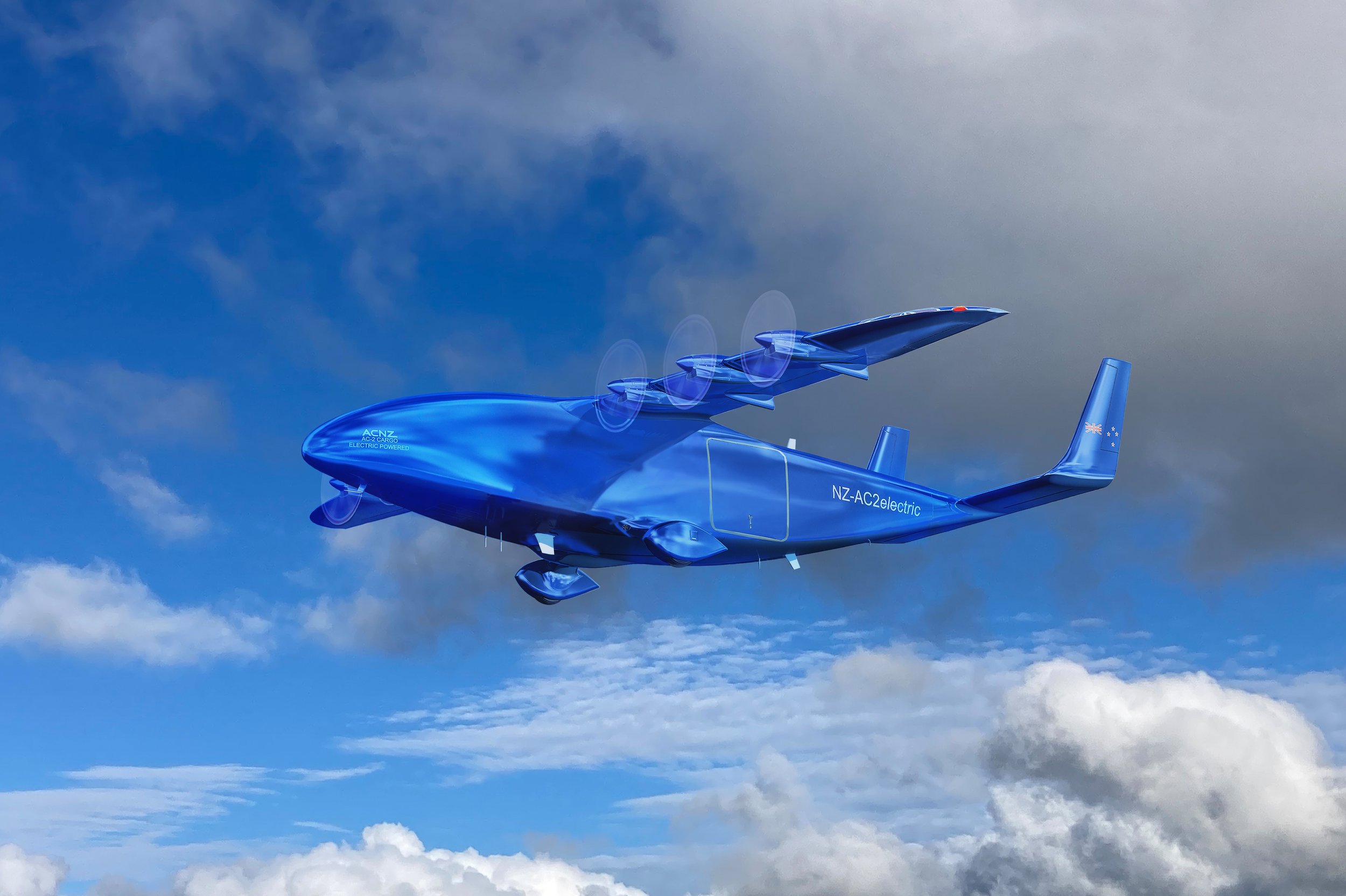
AC-2Z hydrogen / electric autonomous cargo variant, NZ-AC2electric, in flight
AC-2Z · NZ-AC2electric HYDROGEN / ELECTRIC
AC-2Z · Hydrogen / electric · Zero emission · Autonomous

Same airframe.
No emissions.
No pilot required.

The AC-2Z is the AC-2 platform re-engineered for a zero-emission future: hydrogen / electric propulsion in place of the turbine, designed for autonomous freight operation. The aircraft was architected from the outset to adopt new electric technologies as they reach the market, so the airframe does not need to be reinvented to evolve.

Propulsion
Hydrogen / electric
Emissions
Zero in-flight
Operation
Autonomous-capable
Airframe
Shared with AC-2
Cargo
Regional freight
Status
In development

Preliminary concept subject to change.

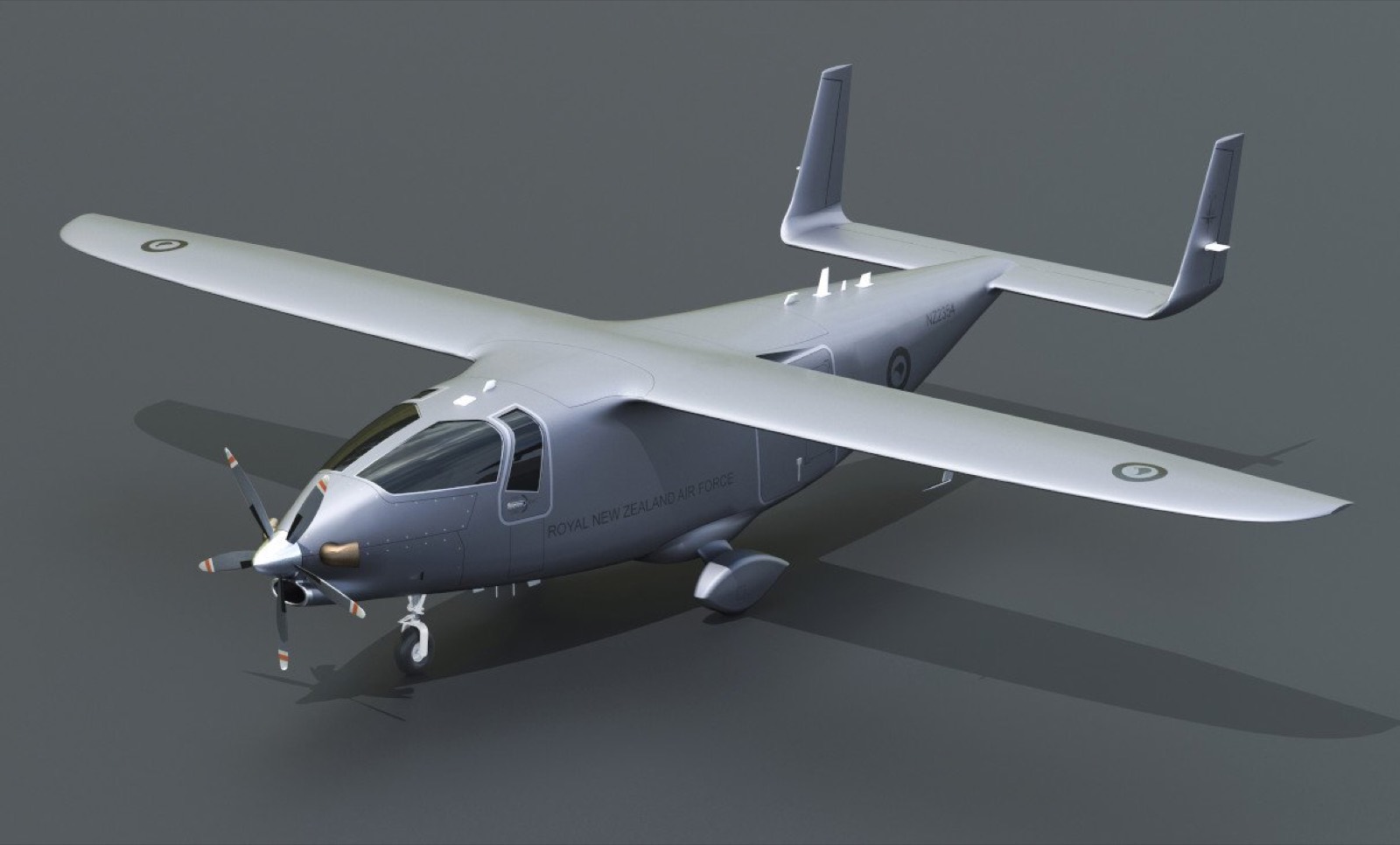
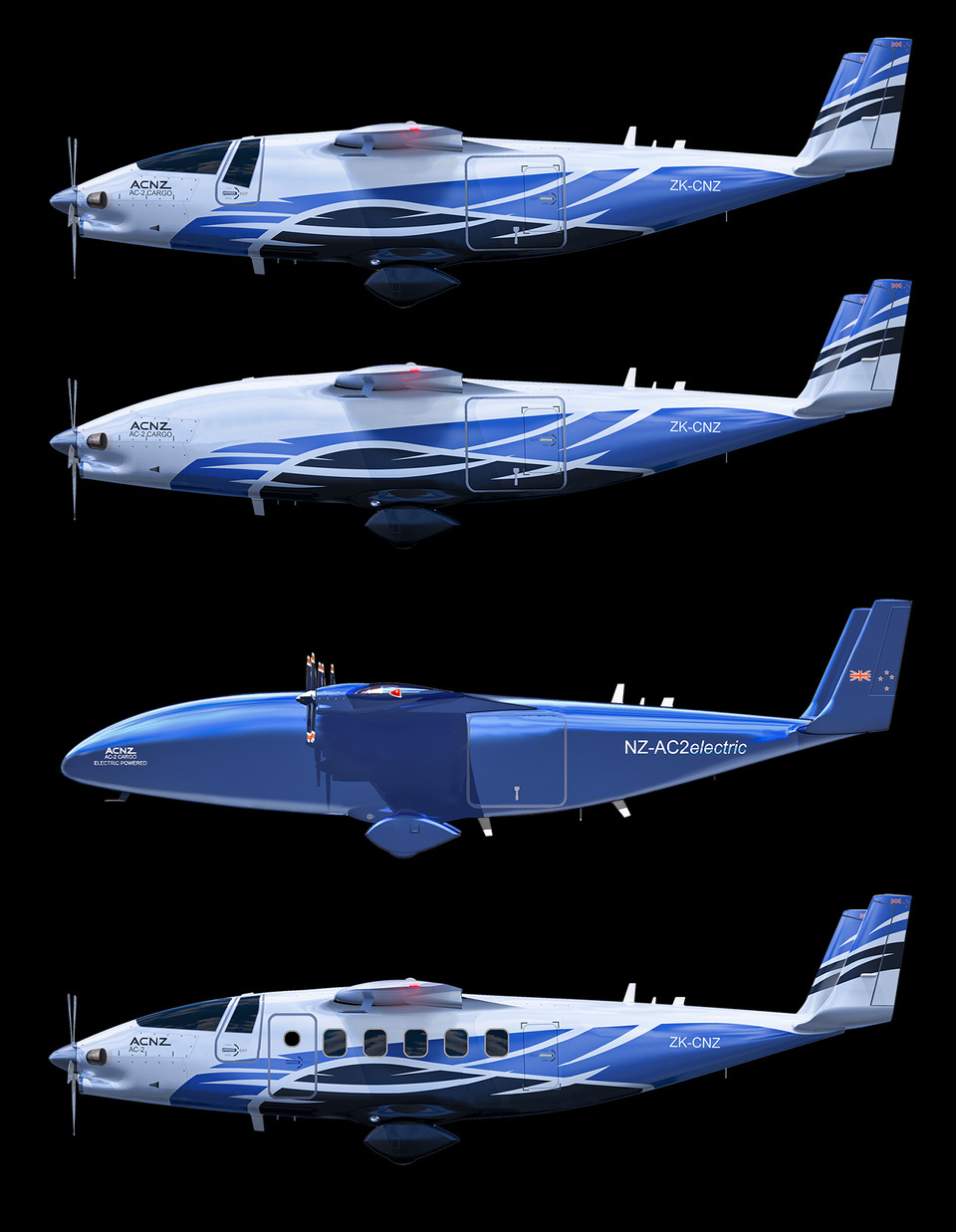
Side-by-side profile comparison of the AC-2 turboprop (ZK-CNZ) and the AC-2Z hydrogen / electric variant (NZ-AC2electric)

One composite airframe, two editions. AC-2 turboprop today, AC-2Z hydrogen / electric and autonomous tomorrow.

§ 04A HISTORY OF INNOVATION

Two decades laminating
the things people thought
couldn't be built that way.

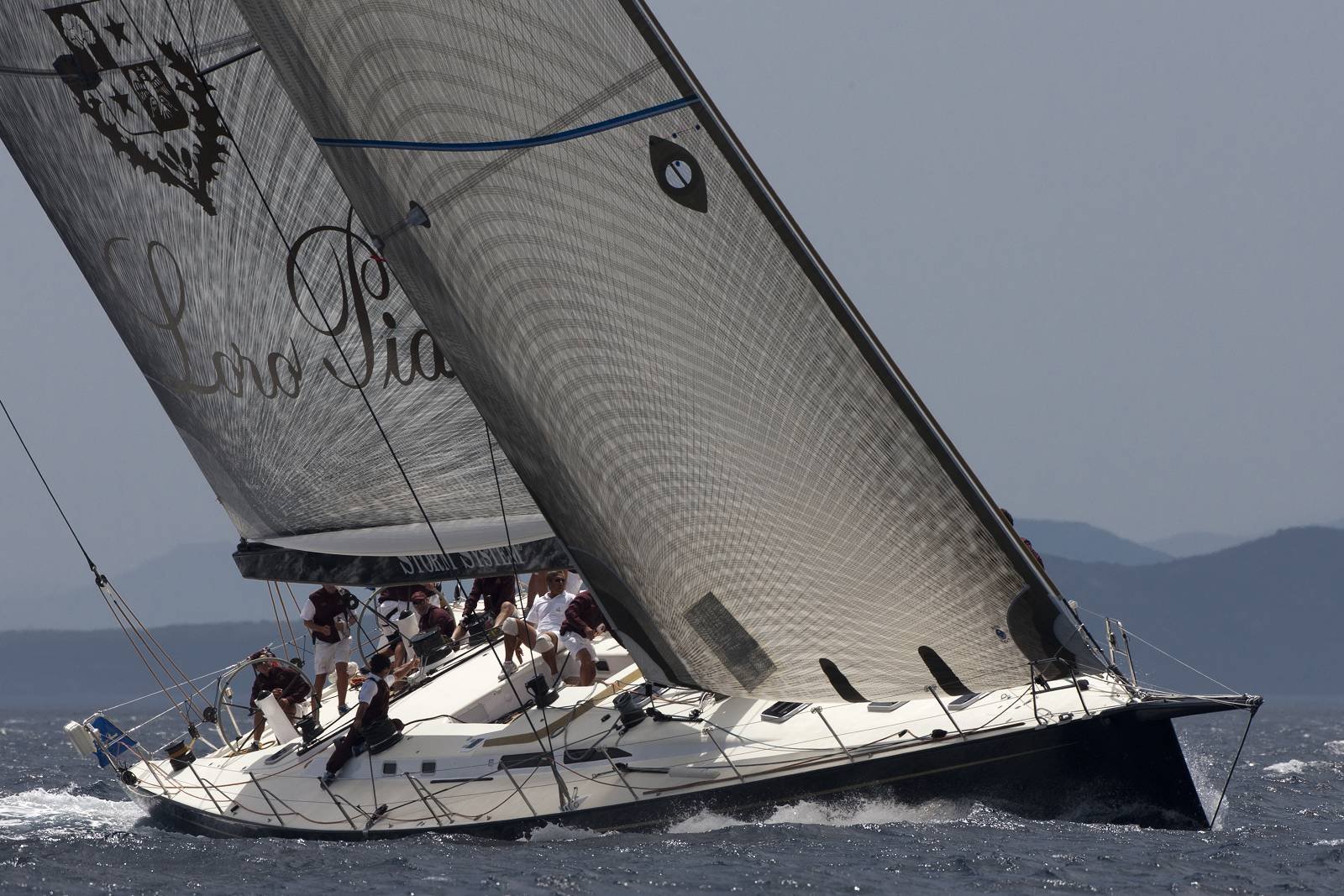
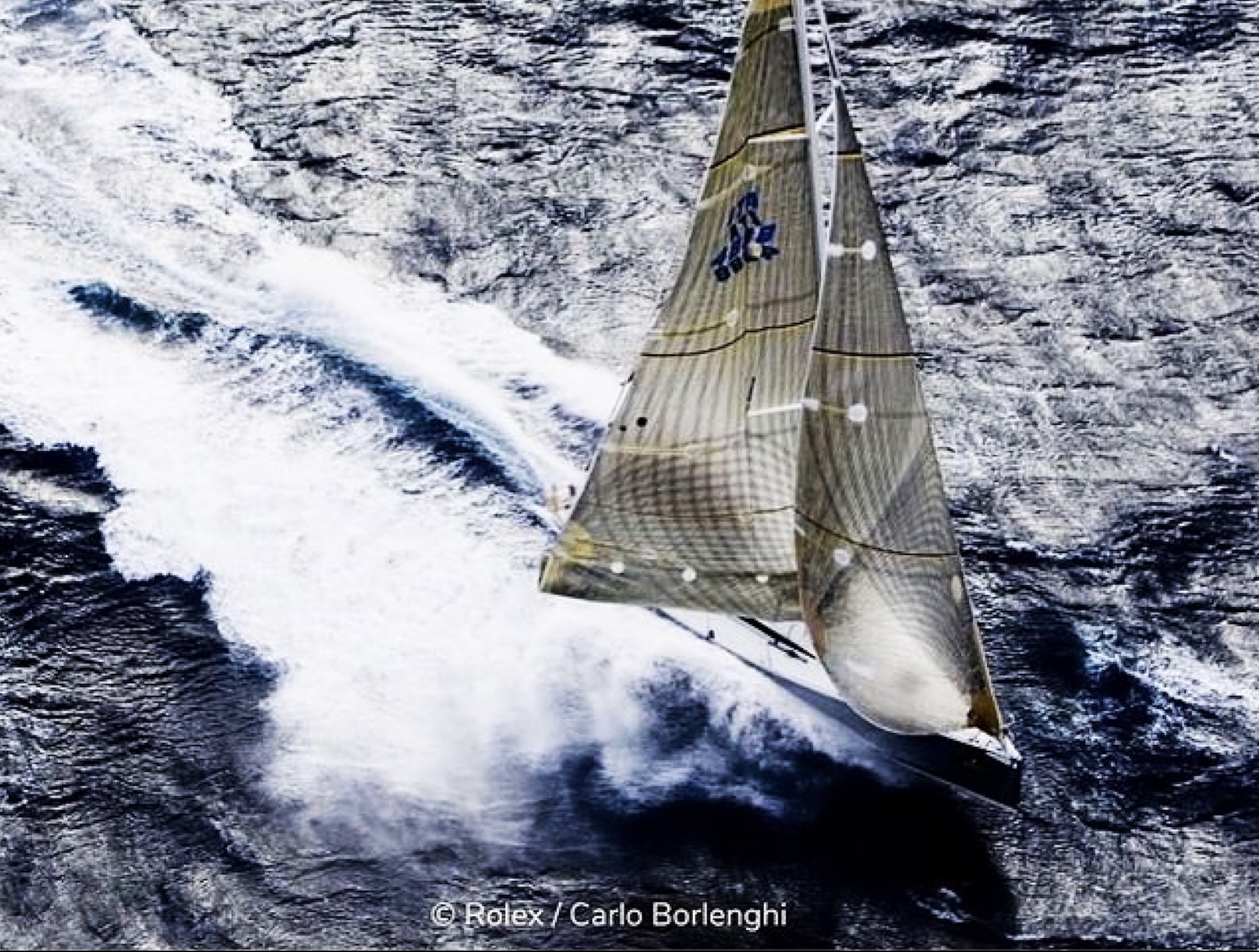
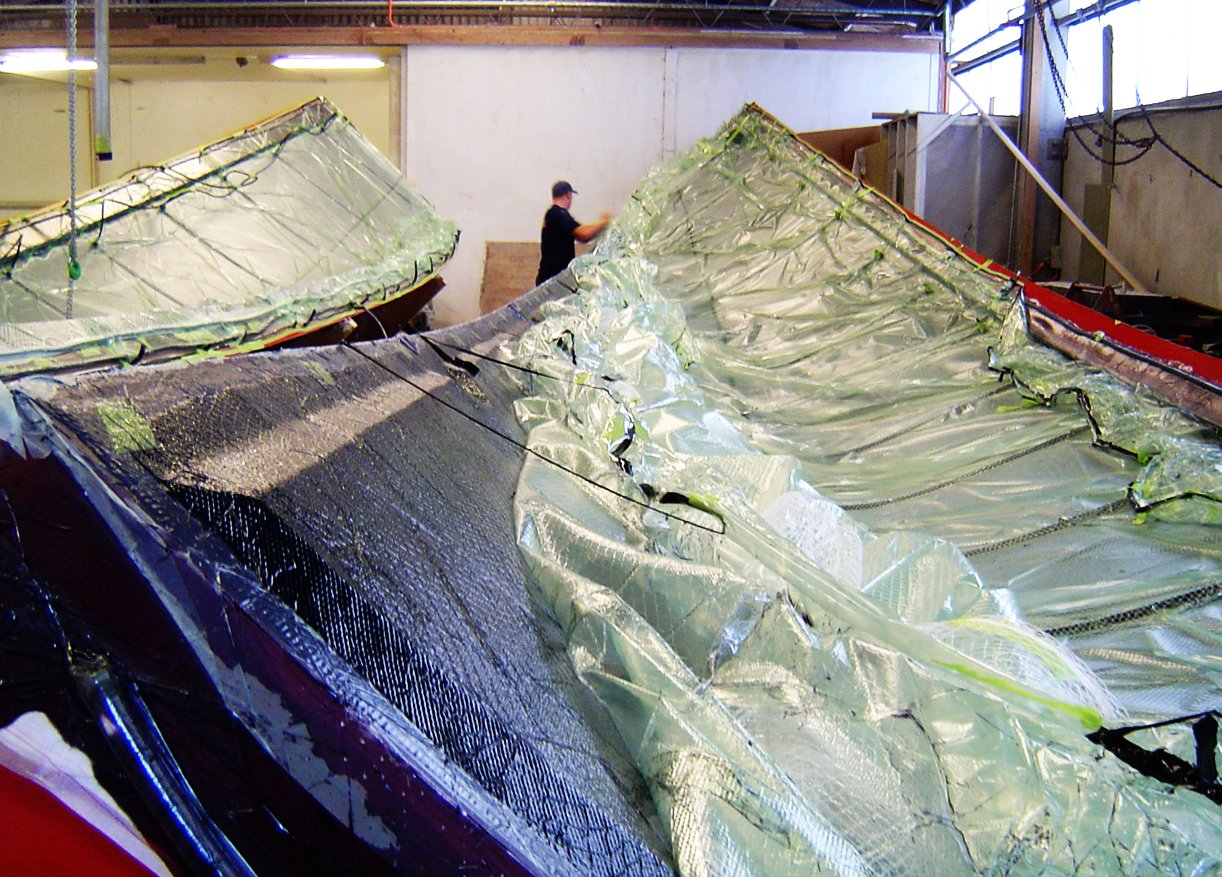
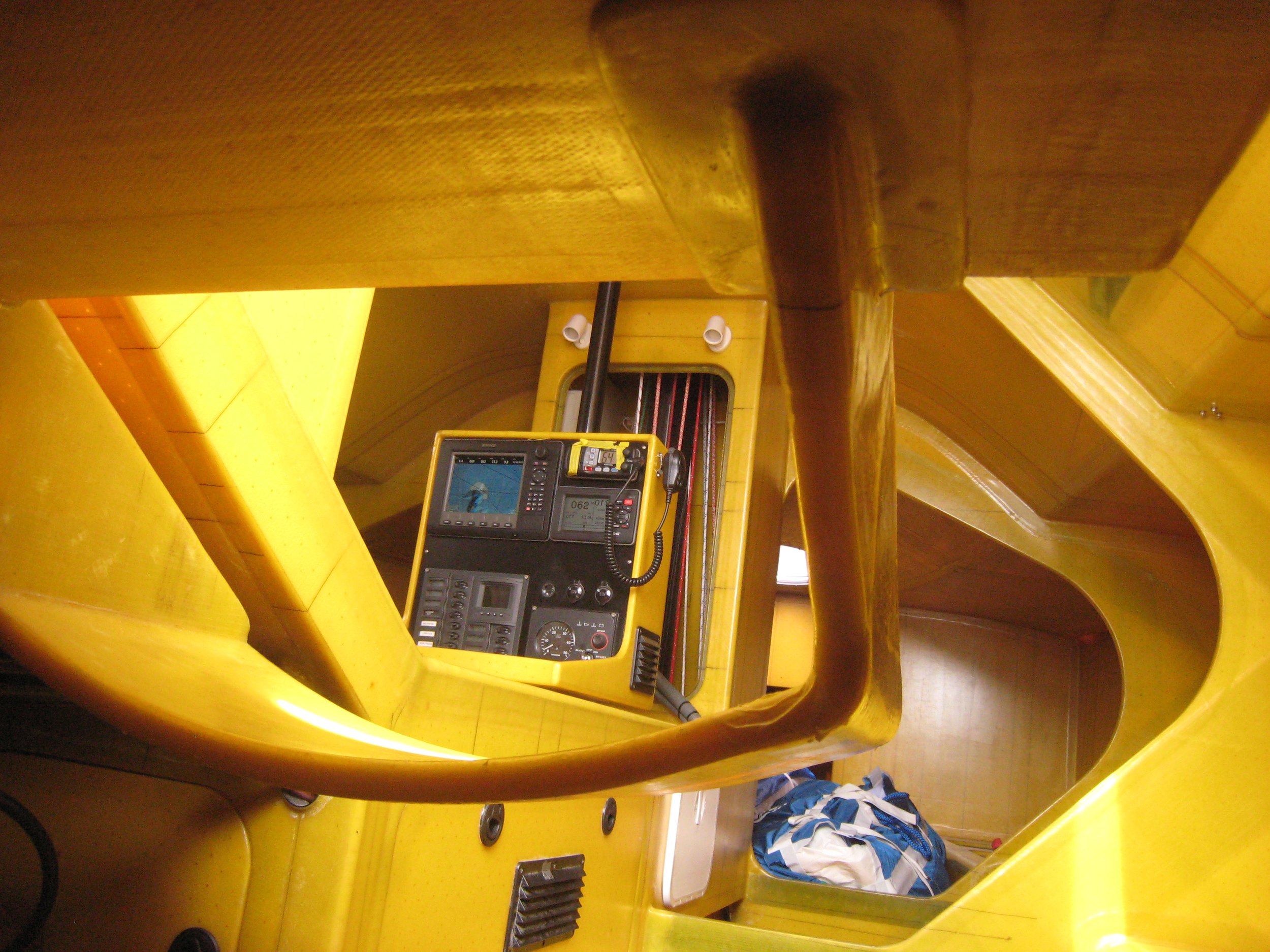
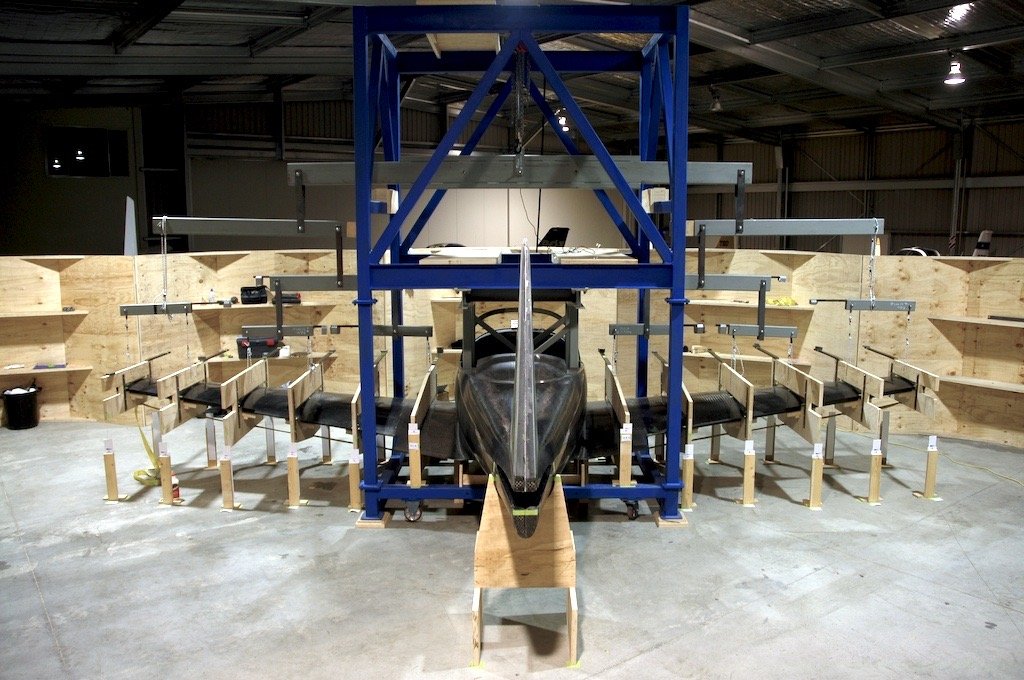
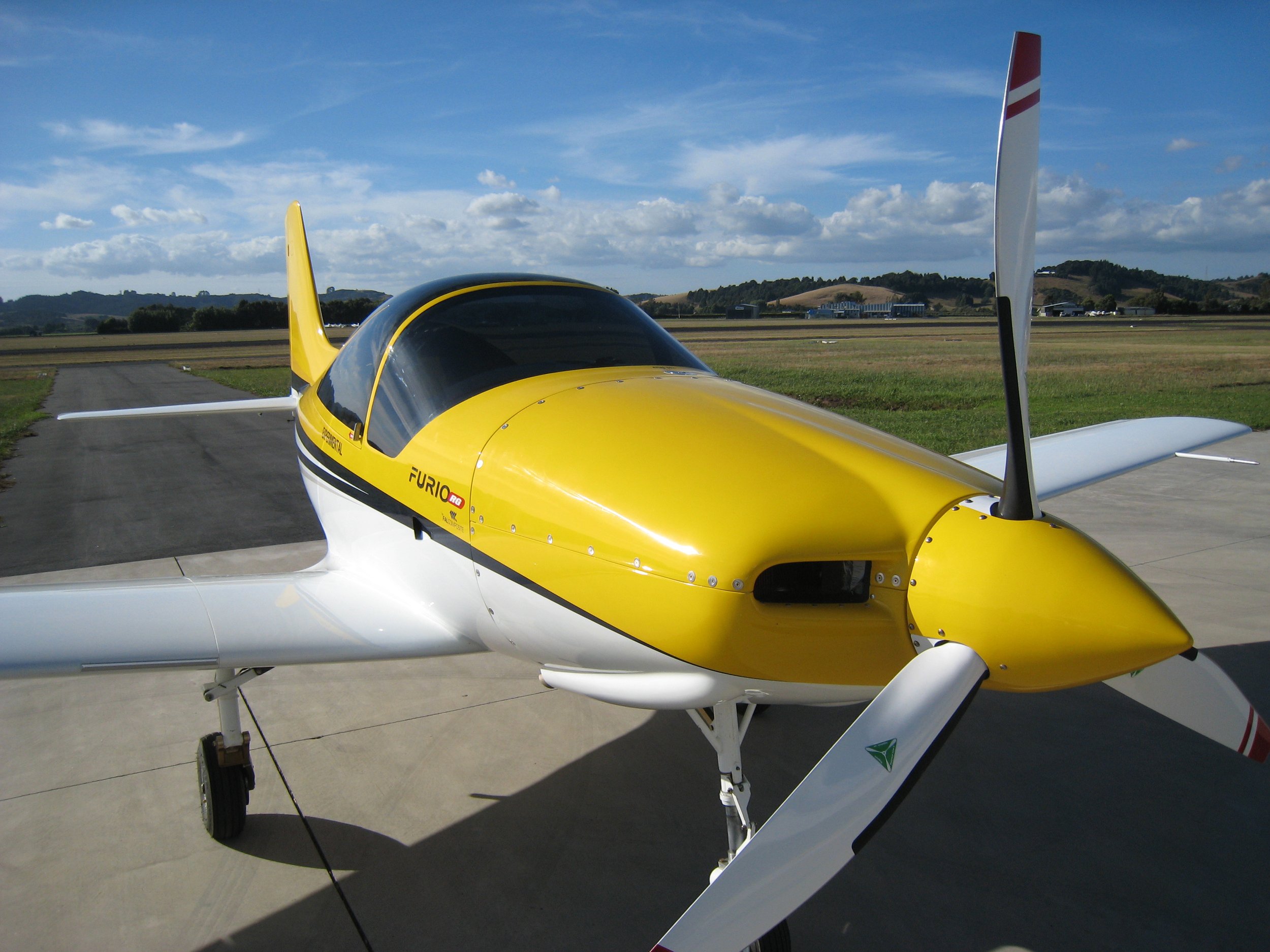
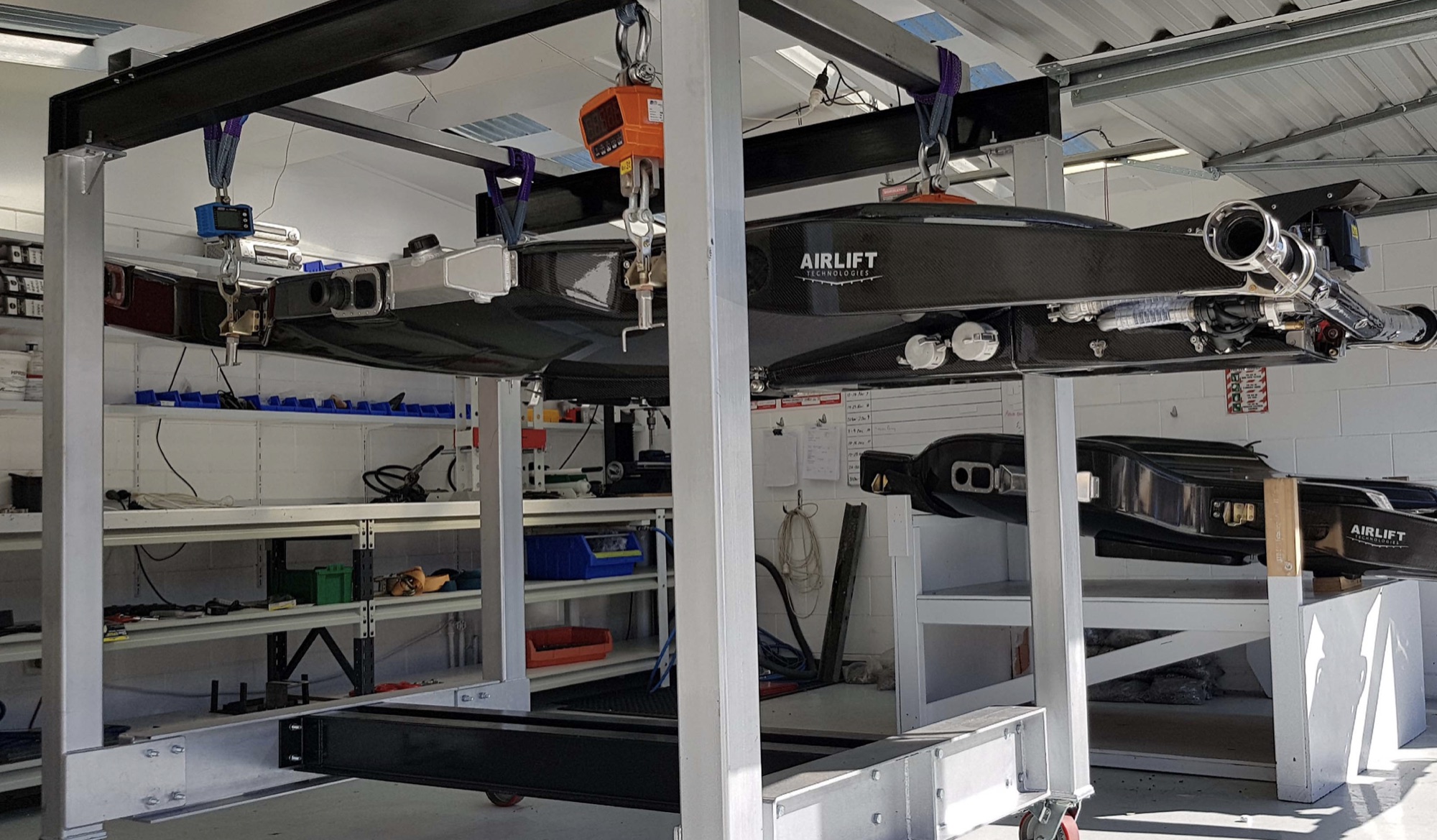
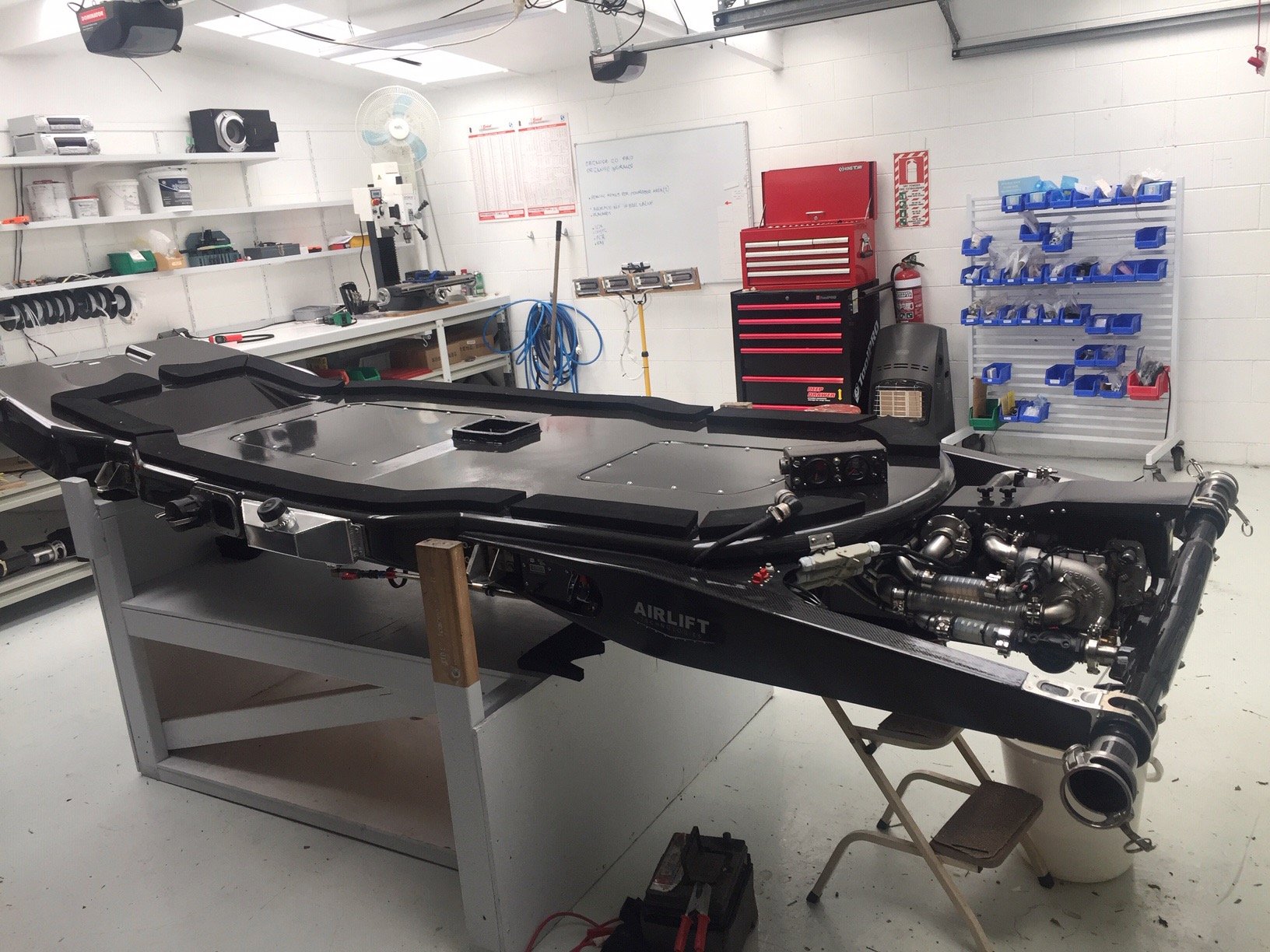
Before the AC-2, the team behind ACNZ spent decades pushing carbon composite construction to its limits, across aerospace, marine and industrial programmes.

§ 05DISPATCH

Latest dispatch

11 APR 2024

Launched to the world at Warbirds over Wanaka.

Aviation Composites New Zealand launched its groundbreaking AC-2 design to the international market at the Warbirds over Wanaka International Airshow, alongside other leading releases in the event's Future of Aviation pavilion. On show was the AC-2: a full-carbon regional cargo single-turboprop with a maximum take-off weight of around 16,800 lb, intended to dramatically simplify and reduce production cost while improving operating efficiency and future-proofing the platform from the outset.

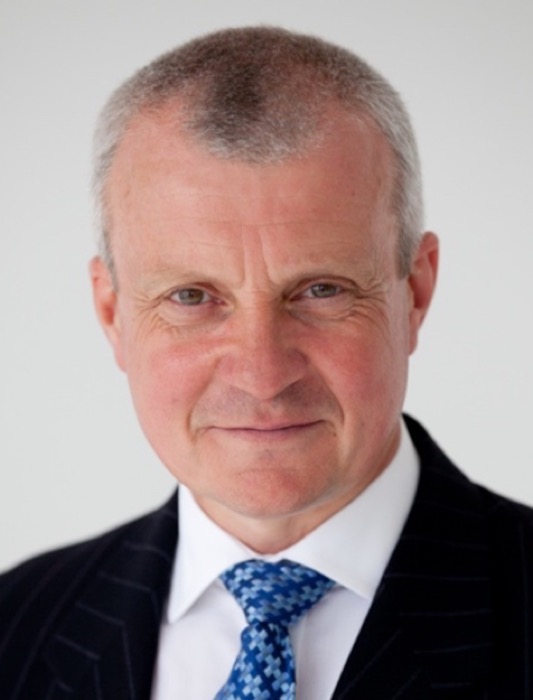
“A carbon aircraft will be more aerodynamically efficient, use less fuel, reduce emissions, be more economical to maintain, and offer a larger cargo volume to better meet the needs of the growing e-market.” Lapo Ancillotti, Director, ACNZ
By Isla McKechnie · Warbirds over Wanaka
§ 06ENGAGE

Let's build the
future of flight.

General enquiries
contact@aviationcomposites.nz
Specific enquiries
Lapo Ancillotti
Executive Director
lapo.ancillotti@aviationcomposites.nz +64 21 296 3487
Operations
Aotearoa New Zealand
41.27° S · 174.77° E
Write to us